
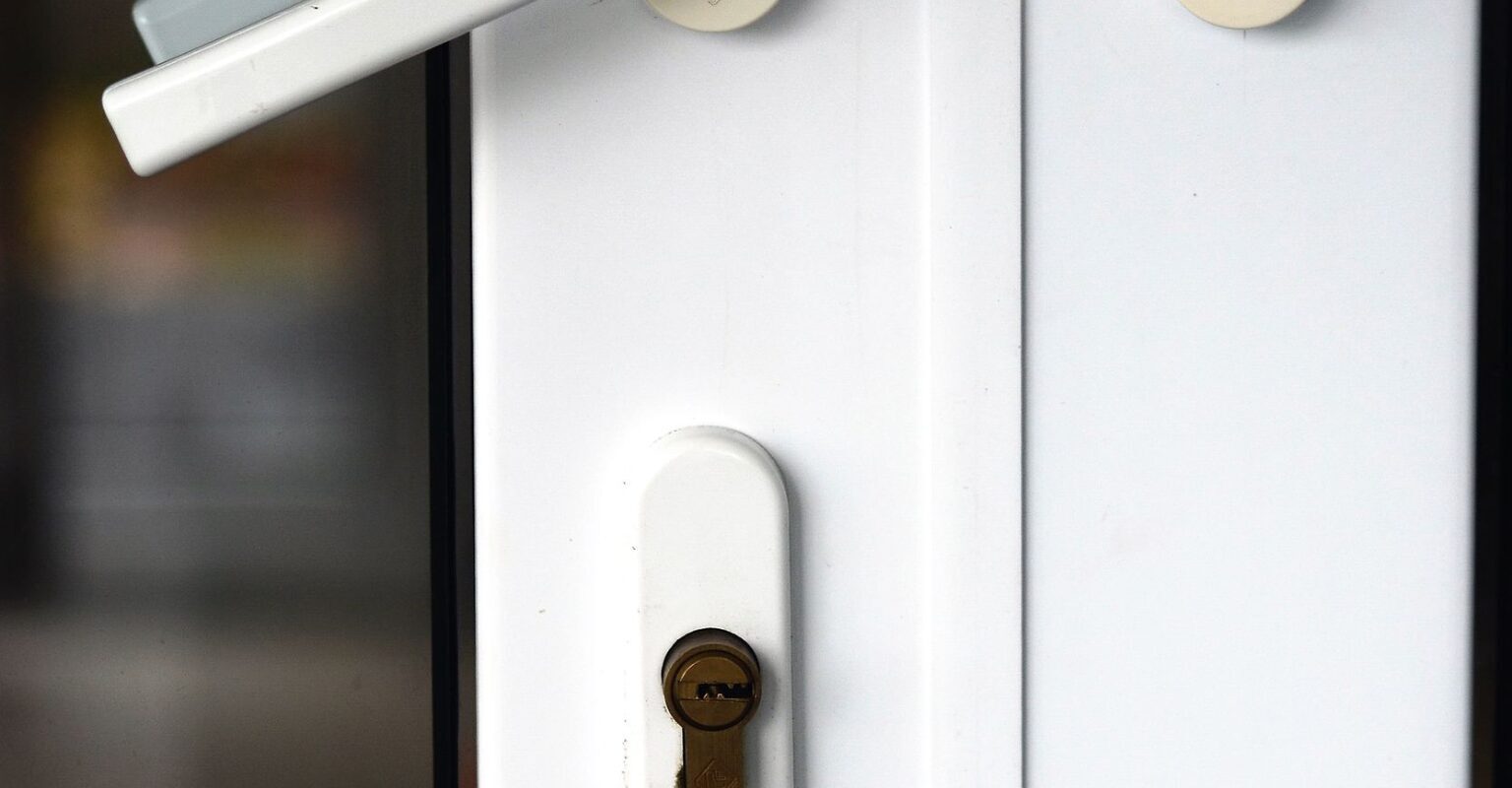
uPVC door lock sticking
uPVC doors are a popular choice for homeowners thanks to their durability, low maintenance requirements and thermal efficiency. They also offer enhanced security thanks to their multilocking systems, which provide robust protection against break ins. However, while these systems are highly effective, they can be prone to certain issues such as a stiff binding or sticky lock mechanism. This may not initially appear to be a major problem, but if ignored it can lead to a situation where your door won’t lock and your property is not secure.
Here, we outline the potential causes of a uPVC door lock sticking, discuss what you can do about it and advise on when to get assistance from a locksmith.
How a uPVC door lock works
uPVC door locks are known for their high levels of security. They typically have a multipoint lock with a minimum of three locking points. These include a central deadbolt and hooks at the top and bottom of the door. The locking mechanism itself is placed in the door frame, forming a high-security seal, and all points lock simultaneously when the mechanism is engaged.
Why is my uPVC door lock sticking?
If you notice that your uPVC lock mechanism is stuck, or the locking points aren’t quite engaging properly, there are several potential causes:
- Weather conditions – One of the most common reasons for a sticky uPVC door lock is changes in the weather. uPVC expands in high heat and contracts in cold temperatures, meaning the lock mechanism can become stiff or sticky.
- Door misalignment – Door misalignment (also known as a ‘dropped’ door) can cause a uPVC lock binding issue, since the door hangs lower than it should and the lock mechanism won’t engage properly.
- Debris – A buildup of debris and dirt over time can make your uPVC locking mechanism stiff, preventing you from fully inserting the key or inhibiting the movement of the locking points.
- Broken or faulty gearbox – Over time, the internal gearbox mechanism can become worn, with components such as springs weakening, breaking or seizing. This prevents the lock from operating properly.
How to fix a sticky uPVC door lock
There are a few things you can try yourself to remedy a sticky uPVC door lock. Here are some basic steps to try and get the lock working smoothly again:
- Test the door
The first step is to test the locking mechanism with the door both open and closed. If the uPVC door lock mechanism is stiff only when the door is closed, it’s likely to be an alignment issue rather than a problem with the mechanism itself.
- Check for debris
Check the frame and the locking points for any debris that may be causing an obstruction. Gently clean them with a brush or compressed air, and wipe away dirt from the frame with a damp cloth.
- Adjust the cylinder fixing screw
The screw that holds the lock cylinder to the door should be visibly proud of the lock plate. It may need tightening or slackening with a half turn.
- Lubricate the lock mechanism
If the lock is stiff with the door open, it may need lubricating. Use a light, silicone based lubricant or graphite powder and apply it directly into the keyhole. Insert, turn and remove the key several times to distribute the lubricant throughout the mechanism.
- Check the hinges
Changing weather conditions can cause the door to misalign or drop slightly. By tightening the screws on the door hinges or making minor adjustments to the hinges themselves, you can realign the door and fix the issue.
When to call in a locksmith for a uPVC lock
If you have tried all of the above suggestions and are still finding that the uPVC door lock is sticking, it’s time to call a locksmith for assistance. It’s important not to force the mechanism or risk damage to the door or its frame, as this could result in more costly repairs.
A locksmith will be able to determine the cause of the problem, whether it’s a broken or faulty gearbox, a bigger misalignment issue or a damaged lock mechanism. Locksmith professionals have the tools and equipment required to fix a faulty uPVC door mechanism binding and ensure the complete security of your home. Where necessary, locksmiths are capable of replacing the uPVC lock mechanism, which is a much more affordable solution than replacing the entire door.
How to prevent your uPVC door lock sticking
Now you know what causes a uPVC door lock to bind and what to try yourself before calling in a locksmith, let’s look at how you can prevent the issue from recurring. uPVC door lock maintenance is a fairly simple way of keeping everything working smoothly, and only takes a few minutes of your time.
- Periodically clean the door frame of debris and dirt to ensure the locking points can engage.
- Lubricate the lock every three months with a silicone or graphite powder lubricant that won’t attract dirt.
- Check the cylinder fixing screw periodically.
- Request a uPVC door service from your local locksmith once a year.
How Absolute Security Locksmiths can help
At Absolute Security Locksmiths we have over 20 years of experience with fixing uPVC door locks. As a local locksmith in Kent, we take pride in ensuring residents and businesses have a secure property and locks that function properly.
We take a methodical approach, determining the cause of the issue before providing a transparent quote and delivering high-quality repairs. We also keep a range of uPVC spares in stock, meaning we can quickly and efficiently replace a gearbox or other component where necessary. If you need tips on maintenance, our experts are happy to advise on everything from the best lubricant for a uPVC door lock mechanism to how to realign your door.
Get in touch with our uPVC locksmiths
If you’re experiencing problems with your uPVC door lock, don’t hesitate to give our team a call. With affordable pricing and no callout fee, we can provide a satisfactory uPVC repair solution in no time and with no hidden costs. We serve customers in Folkestone, Deal, Dover, Ashford, Hawkinge, Hythe and Dymchurch.